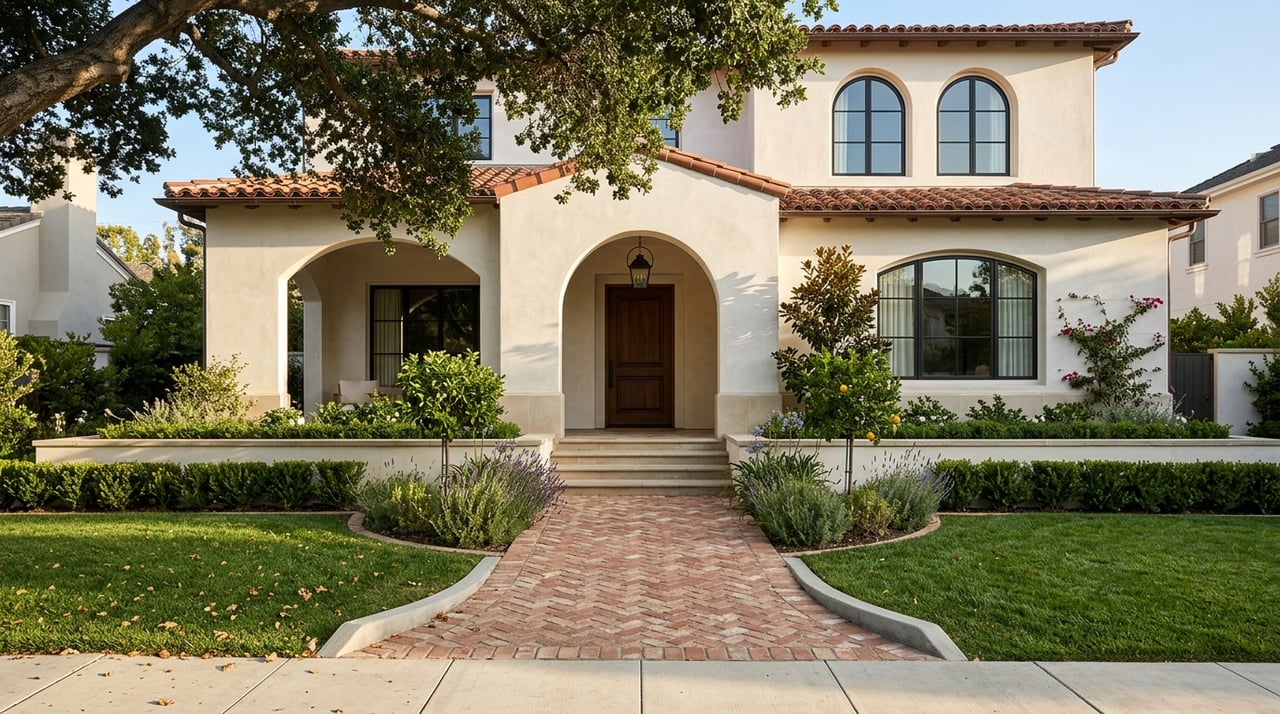
If you picture Pasadena as a city of grand homes, palm-lined streets, and layered architectural history, you are not imagining it. Pasadena’s estate story is still visible today, not just in a few famous houses, but across streets and districts where setbacks, trees, sidewalks, and historic homes work together to create a distinct sense of place. If you are curious about where that character shows up most clearly, this guide will walk you through the mansion streets, historic districts, and cultural anchors that help define Pasadena’s legacy. Let’s dive in.
Why Pasadena’s Estates Still Matter
Pasadena holds an unusually deep historic built environment for Southern California. According to the city’s historic context statement, there are about 600 individually designated properties, along with 28 local Landmark Districts and 21 National Register historic districts.
That scale matters because it shows you Pasadena’s estate history is not limited to one postcard block. It is part of a broader city pattern shaped in the late 19th and early 20th centuries, when prominent architects designed homes for affluent clients and helped establish Pasadena as a major center of architecture in the region.
South Orange Grove Boulevard
If there is one street that anchors Pasadena’s mansion narrative, it is South Orange Grove Boulevard. The city notes that this corridor evolved from land associated with early orange groves, and by the 1890s, South Orange Grove Boulevard had become known as Millionaires Row.
What makes the street memorable is not only the size of the homes, but also the setting. Houses were traditionally placed far back from the road, creating broad frontages and a formal estate feel that still shapes the experience of the boulevard.
Ross Grove and surviving estates
For anyone trying to understand what remains of the original mansion corridor, the Ross Grove Landmark District is especially important. The city describes it as the largest remaining grouping of original South Orange Grove homes still in existence.
That gives you a clearer sense of Pasadena’s continuity. Even as the city changed over time, parts of Orange Grove retained enough historic fabric to preserve the boulevard’s estate-era identity.
Wrigley Mansion and gardens
Another landmark on this corridor is the Wrigley Mansion at 391 S. Orange Grove Blvd. The Tournament of Roses identifies it as the organization’s official headquarters, and notes that the adjacent Wrigley Gardens span 4.5 acres of floral landscape.
This is one reason Orange Grove feels different from a standard luxury street. You are not only seeing historic homes, but also civic and cultural landmarks that remain active parts of Pasadena’s identity.
A street shaped by change
It is also important to understand that South Orange Grove is not a frozen museum piece. Pasadena’s historic materials note that some mansions on the boulevard were later preserved by institutions or adapted to multifamily use after rezoning.
That history adds nuance. Rather than an untouched estate row, Orange Grove tells a story of preservation, adaptation, and continued relevance.
Westmoreland Place and Gamble House
Westmoreland Place offers a different version of Pasadena grandeur. Instead of a long boulevard, you find a more intimate historic setting with some of the city’s best-known residential landmarks.
The standout is the Gamble House, located at 4 Westmoreland Place. The National Park Service lists it as a National Historic Landmark in the Bungalow/Craftsman style by Greene & Greene.
For architecture lovers, this is one of Pasadena’s essential addresses. The Gamble House site describes it as the most complete and best-preserved work of Charles and Henry Greene, which helps explain why it remains central to conversations about Pasadena design and early 20th-century residential architecture.
Why Westmoreland Place stands out
Westmoreland Place is compelling because it shows that “estate” in Pasadena does not always mean one visual formula. Across the city, the architectural vocabulary includes Queen Anne, Shingle, Prairie, Craftsman, Beaux Arts, Italian Renaissance Revival, Mediterranean Revival, Spanish Colonial Revival, and more, according to the city’s architecture context chapter.
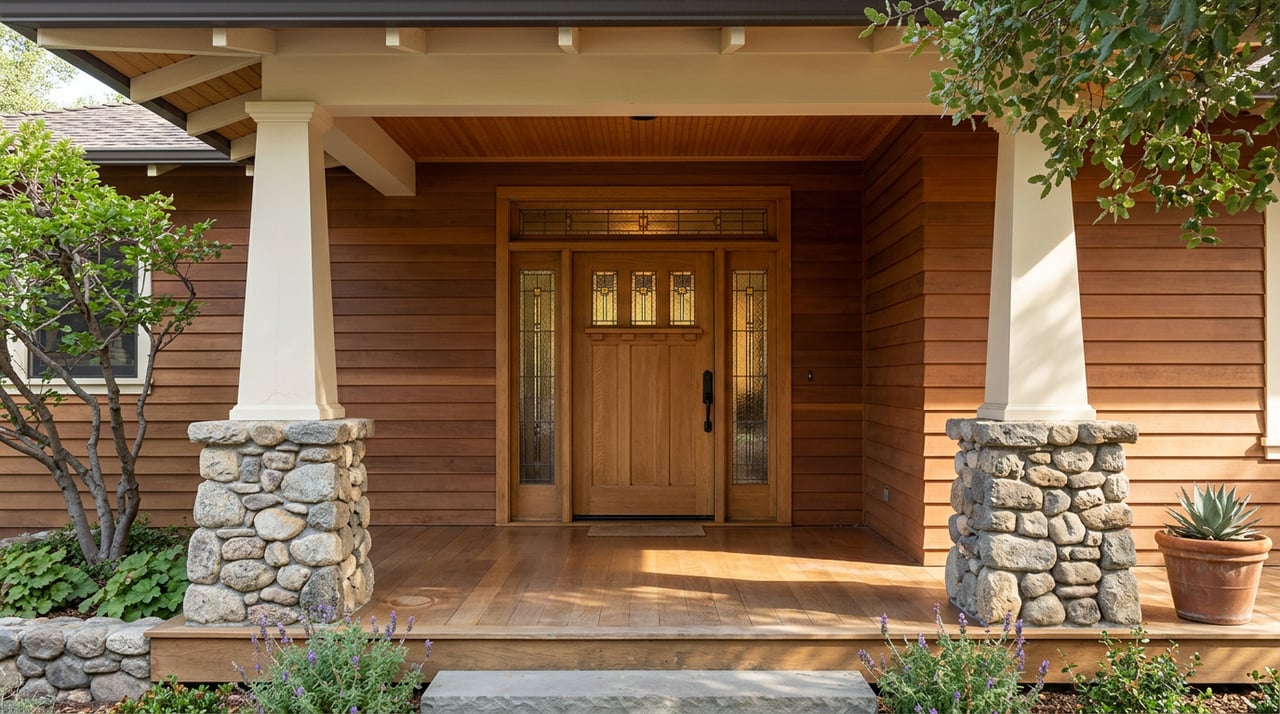
If you are exploring mansion streets, it helps to focus less on one style label and more on the traits that create presence. In Pasadena, that often means strong rooflines, thoughtful ornament, generous setbacks, and gardens that frame the architecture.
Arroyo Terrace and the View Streets
Arroyo Terrace adds another layer to Pasadena’s estate story. The city’s residential development context explains that the street was subdivided in 1886 around a former reservoir, with lots planned to take advantage of views of the San Gabriel Mountains and the Arroyo.
That detail is useful because it shows how much Pasadena’s historic residential planning depended on landscape. Streets were not only laid out for access, but also to capture topography, scenery, and a sense of retreat.
Architects and residents
Arroyo Terrace is closely tied to important architectural figures. The city notes that Charles Sumner Greene lived at 368 Arroyo Terrace, while Myron Hunt lived nearby at 200 N. Grand Avenue, and Josephine Van Rossem commissioned several Greene & Greene houses there.
That concentration of design talent helps explain why the area carries so much architectural weight. It was not simply a place where large homes were built, but a setting where influential architects lived, worked, and shaped Pasadena’s identity.
Madison Heights, Oak Knoll, and Governor Markham
If South Orange Grove is Pasadena’s classic mansion corridor, Madison Heights and Oak Knoll show how estate character can extend across larger residential districts. These areas are among the city’s oldest and best-preserved neighborhoods, according to Pasadena’s planning materials.
The Madison Avenue Heights tract was subdivided in 1905 with 63 lots and was largely developed between 1910 and 1917. The area includes Arts and Crafts homes along with later Period Revival examples, giving you a layered look at Pasadena’s residential evolution.
Oak Knoll’s curving pattern
Oak Knoll stands apart for its street layout as much as its homes. The city says the area was first subdivided in 1886 with curving streets that follow the natural topography.
That design choice matters. In practice, it creates a softer and more organic feel than a rigid grid, which adds to the neighborhood’s historic character and estate-like atmosphere.
Governor Markham’s intact streetscape
The Governor Markham district is especially notable for its streetscape integrity. The city describes it as one of Pasadena’s most intact period streetscapes, with sidewalks, period streetlights, and mature street trees.
That point is easy to overlook if you only focus on houses. In Pasadena, streetscape elements are a major part of what makes a historic district feel cohesive and memorable.
Why the Landscape Feels So Distinct
One of Pasadena’s biggest advantages is that the landscape itself is part of the historic experience. The city’s evaluation guidelines say street trees, streetlamps, setbacks, curbs, sidewalks, and street patterns can all contribute to district integrity.
In other words, what you respond to in Pasadena is often broader than a single façade. You are noticing the distance between house and street, the rhythm of trees, the sidewalk edge, and the way the block unfolds.
Pasadena also maintains an urban forest of more than 60,000 trees, guided by a Master Street Tree Plan first published in 1940. On Orange Grove Boulevard, the city identifies a particularly strong visual identity created by California fan palms alternating with mature magnolias.
Estate Streets Near Culture and Daily Life
Another reason Pasadena’s mansion districts feel so compelling is their connection to active city life. These historic areas are not cut off from the rest of Pasadena. Instead, they sit close to cultural, institutional, and recreational anchors that keep the city feeling lived-in and connected.
Old Pasadena is a strong example. The city describes it as the original business district, with 22 blocks, more than 300 businesses, two rail stops, and a historic streetscape defined by brick facades, alleys, eateries, boutiques, galleries, and theaters.
District 7, which includes Madison Heights and Oak Knoll, is described by the city as home to the Pasadena Playhouse, Caltech, Pasadena City College, and the Langham Huntington Hotel, among other institutions. The city also notes the district’s walkability, tree canopy, and close relationship to downtown.
Civic and heritage anchors
Several major landmarks reinforce this mix of history and access. The Norton Simon Museum sits at Orange Grove and Colorado, while the Arroyo Seco offers protected parkland with 22 miles of trails and nearly 1,000 acres of parkland.
Together, these features help explain why Pasadena’s historic estate areas do not feel isolated. They are part of a broader urban fabric where architecture, landscape, and culture support each other.
What to Notice When You Explore
If you are touring Pasadena’s historic estate streets, it helps to look beyond square footage or house style. The city’s own preservation framework makes clear that the full setting matters.
As you explore, pay attention to:
- Setbacks that create a formal estate presence
- Street trees and planting patterns that shape the visual rhythm
- Sidewalks, curbs, and streetlights that support period character
- Rooflines and ornament that distinguish one architectural approach from another
- Garden settings that frame homes as part of a larger composition
This broader lens gives you a better understanding of why Pasadena feels so distinctive. The city’s historic appeal comes from the relationship between homes, streets, and landscape, not from isolated landmarks alone.
A Last Word on Pasadena’s Mansion Streets
Pasadena’s historic estates and mansion streets tell a story of design, landscape, and long-term stewardship. From South Orange Grove Boulevard and Westmoreland Place to Arroyo Terrace, Madison Heights, Oak Knoll, and Governor Markham, the city offers a rare concentration of places where architecture and streetscape still work together in meaningful ways.
If you are considering a move that values architecture, legacy, and a strong sense of place, understanding these historic corridors can help you see Pasadena with sharper eyes. To explore distinctive properties and neighborhood opportunities with a strategic, design-aware approach, connect with Alphonso | Bjorn.
FAQs
What makes South Orange Grove Boulevard important in Pasadena history?
- South Orange Grove Boulevard became known as Millionaires Row in the 1890s, and it remains one of Pasadena’s best-known historic mansion corridors.
What is the Gamble House in Pasadena known for?
- The Gamble House is a National Historic Landmark at 4 Westmoreland Place and is widely recognized as one of the best-preserved works of Greene & Greene.
What defines Pasadena’s historic estate character beyond the homes?
- Pasadena’s historic character is shaped by streetscape features like setbacks, sidewalks, curbs, streetlights, and mature trees, in addition to the houses themselves.
Which Pasadena districts are known for preserved historic residential character?
- Madison Heights, Oak Knoll, Governor Markham, Ross Grove, and areas around Arroyo Terrace are all noted in city materials for their preserved historic character.
How close are Pasadena’s historic estate areas to cultural destinations?
- Many historic areas are near active destinations such as Old Pasadena, the Norton Simon Museum, the Arroyo Seco, and major civic and cultural institutions in District 7.