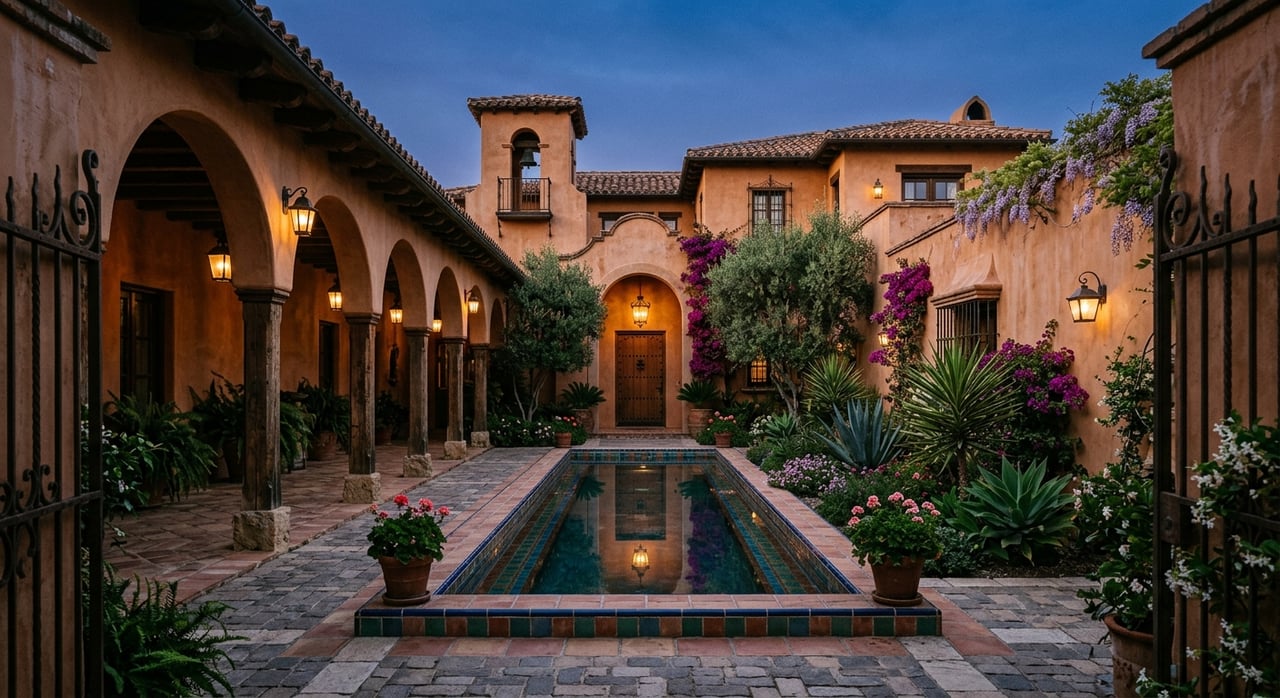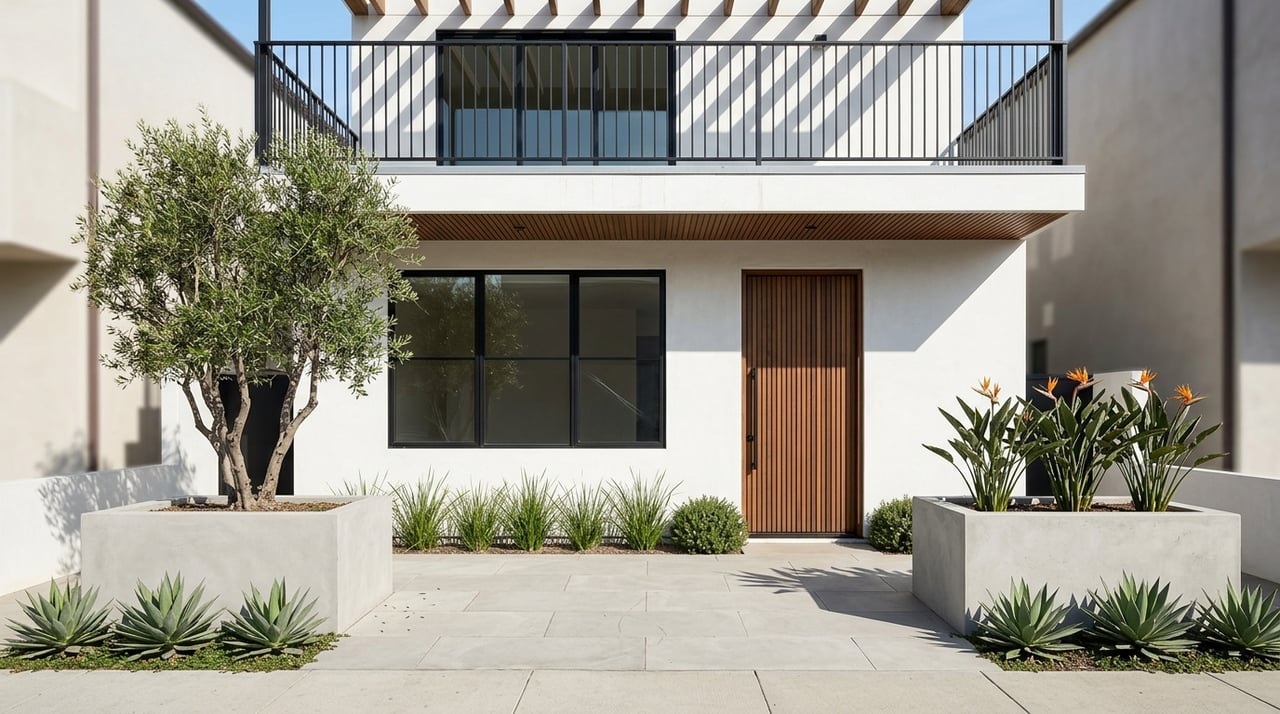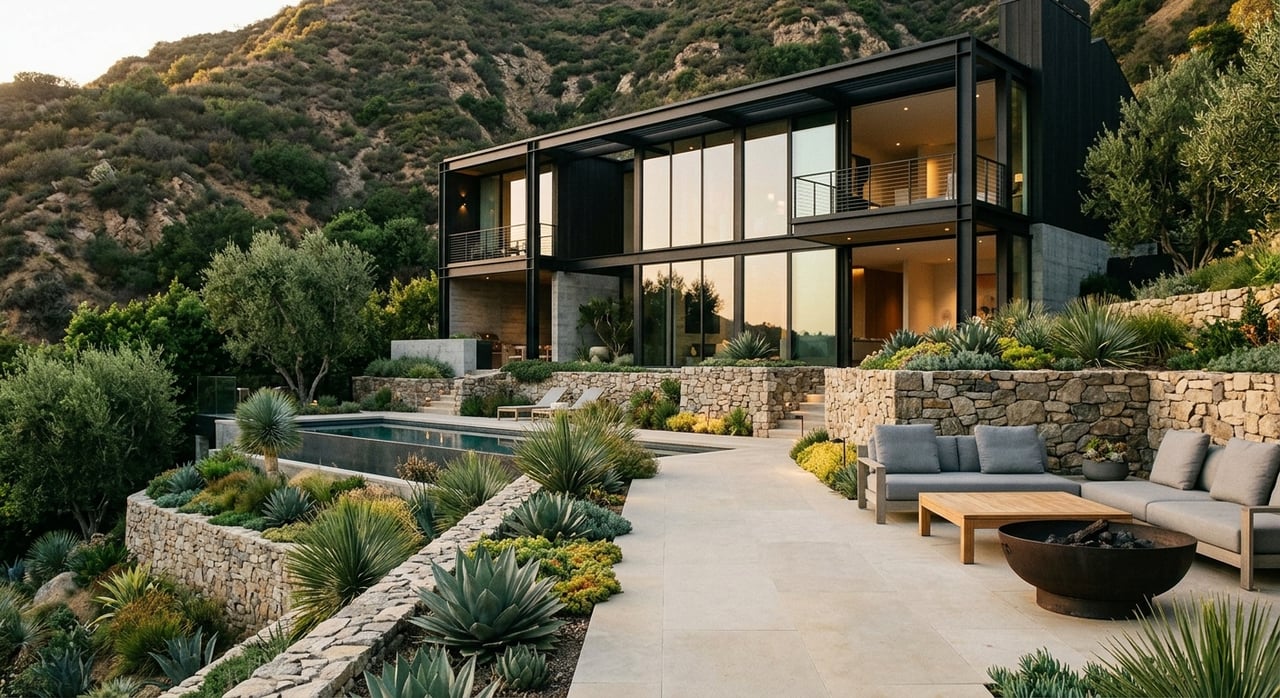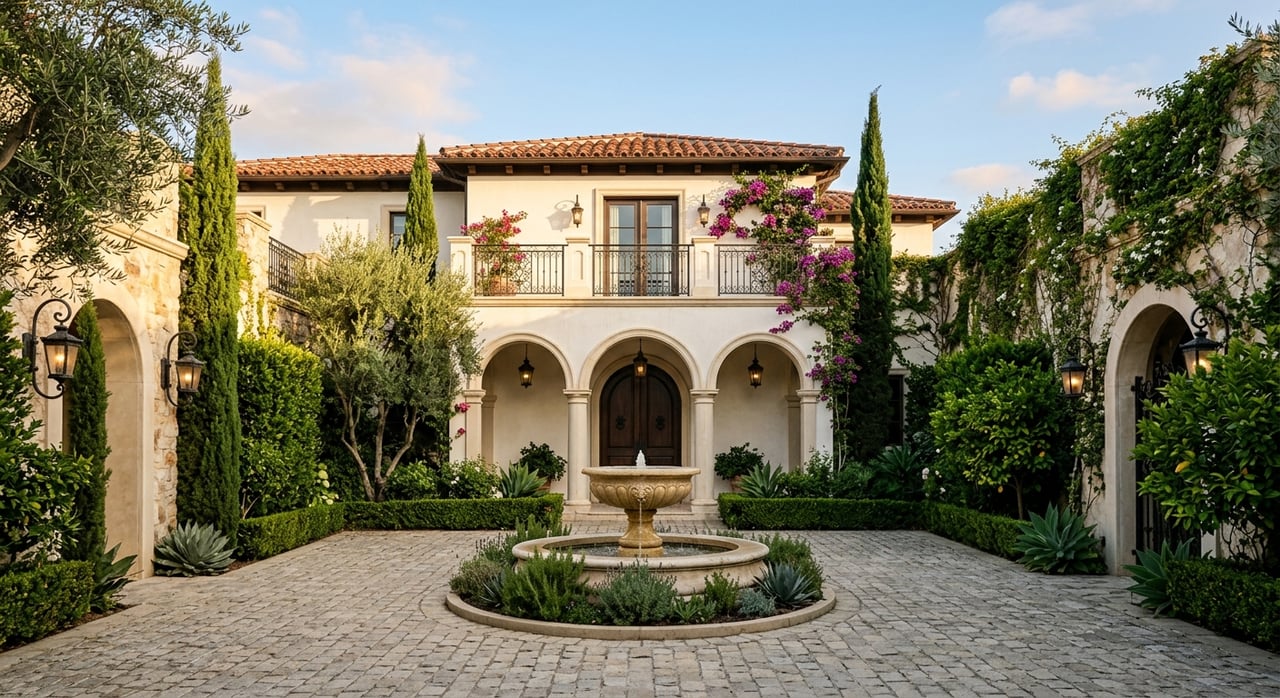
If you have ever looked at a Beverly Hills estate and wondered why one home feels merely expensive while another feels truly irreplaceable, you are asking the right question. In this market, price alone does not create trophy status, and neither does square footage. What really matters is a rare mix of site, architecture, privacy, and long-term desirability that would be hard to duplicate today. Let’s dive in.
Trophy Home Meaning in Beverly Hills
A trophy home in Beverly Hills is not a formal legal category. The city regulates single-family homes by area, including the Central Area, Hillside Area, and Trousdale Estates, along with rules tied to setbacks, height, visibility, landscaping, and view preservation.
That is why “trophy home” works better as a market term than a zoning label. In practical terms, it points to a property with qualities that are unusually hard to recreate under current rules and conditions.
This distinction matters if you are buying or selling in Beverly Hills. In a market where Zillow reported a typical home value of $3,686,749 as of June 30, 2026, and Realtor.com reported a 98% sale-to-list ratio, 64 median days on market, and a buyer’s-market classification in June 2026, premium pricing still needs a clear reason behind it.
Site Sets the Ceiling
At the trophy level, the site often matters before you even reach the front door. In Beverly Hills, the way a home sits on the land can carry as much weight as the home itself.
In the Hillside Area, city rules address landform alteration, view preservation, cut-and-fill, large floor area, wall height, and accessory structures through the Hillside R-1 permit process. Trousdale Estates has separate level-pad rules, and the city also has a view-restoration process for foliage that affects views there.
What does that mean in plain terms? It means the best sites are rare because orientation, elevation, and view corridors are not easily replaced. A home with strong placement on the lot, a thoughtful relationship to the street, and a protected sense of outlook can stand apart in a way finishes alone never will.
Why Orientation Matters
Orientation shapes how a home lives and how it is perceived. It affects the arrival experience, natural outlook, neighboring sightlines, and how private the property feels from key vantage points.
In Beverly Hills, that is especially important because the city’s rules tie the physical form of a property to its surroundings. A house that feels composed, quiet, and well-sited usually reflects choices that are much harder to make today than buyers may first realize.
Privacy Is a Real Asset
Privacy in Beverly Hills is not just a luxury talking point. It is closely connected to design, landscaping, and what can be seen from the public street.
In the Central Area, work visible from a public street can trigger design review, including new homes, facade remodels, window replacements, and painting. The city states that design review is intended to preserve neighborhood character, maintain scale and massing, and enhance the garden quality of the city.
That framework helps explain why some homes feel more protected and composed than others. Trophy properties often pair architectural restraint with thoughtful screening, measured street presence, and a strong sense of separation without feeling overbuilt.
Landscaping Adds More Than Beauty
In Beverly Hills, mature landscaping is more than decoration. It can be a defining part of a property’s identity, privacy, and value.
The city describes trees as a defining characteristic since its inception, protects selected native tree species, and may require an arborist report before tree removal. If construction could harm mature trees, the city can also require mitigation measures and an indemnity bond.
Projects with new or altered landscape areas need documentation, and a water-efficient landscaping permit is required when the landscape area reaches 500 square feet or more. So when you see a property with established trees, layered planting, and a polished landscape plan, you are often looking at an asset with both aesthetic and regulatory importance.
Mature Trees Create Scarcity
A mature tree canopy can soften architecture, reduce visibility, and strengthen the estate feel of a property. In Beverly Hills, those qualities carry extra weight because mature landscaping is part of the city’s broader identity and preservation priorities.
For buyers, that can make a home feel settled and complete from day one. For sellers, it can be one of the clearest visual signals that a property offers something difficult to reproduce quickly.
Architecture Separates Luxury From Trophy
Expensive materials can create a luxury home. A coherent architectural story is what often elevates it to trophy status.
Beverly Hills’ design-review framework supports compatible residential architecture, and the Architectural and Design Review Commission evaluates factors such as design compatibility, prevailing styles, neighborhood character, scale, and mass. In short, a home should feel intentional, not just large or newly finished.
That is why the strongest trophy homes usually have clarity. The facade, proportions, and connection to the site all work together, and the home makes a confident impression without relying on excess.
Design Must Feel Resolved
A trophy home should look and feel complete from multiple angles. The arrival sequence, street presence, relationship to the landscape, and massing all need to make sense together.
This is one reason some homes with similar price points perform very differently in the market. Buyers at the top end tend to notice when architecture feels disciplined and when it feels like a collection of expensive features without a clear point of view.
Provenance Can Be a Major Differentiator
In Beverly Hills, provenance is one of the clearest lines between generic luxury and true trophy appeal. Provenance can come from architecture, age, cultural relevance, or a meaningful place in the city’s design history.
The city’s landmark criteria require a property to be at least 45 years old or of extraordinary significance, to possess high artistic or aesthetic value, to retain substantial integrity, and to have continued historic value to the community. Beverly Hills also maintains a list of master architects, designers, builders, and landscape architects who shaped the city’s architectural character.
That tells you something important. A home does not need to be brand new to command premium attention. In fact, a well-preserved property with documented design pedigree can have a level of scarcity that newer homes simply cannot match.
Historic Character Still Matters
Beverly Hills’ preservation framework also recognizes that significance can extend beyond a single structure. Mature-tree streets, fountains, street lights, parks, signs, and public art may all contribute to the historic fabric of a setting when they hold community significance.
For a buyer, this means the surrounding context can strengthen a home’s prestige. For a seller, it reinforces why narrative matters. A trophy property is not only about specs. It is also about why the home matters within Beverly Hills itself.
Amenities Matter When They Fit the Site
At the top of the market, amenities still matter, but only when they feel integrated rather than forced. The city continues to regulate accessory structures, walls, fences, hedges, parking, landscaping, and height, which means not every wish list translates smoothly to every lot.
Within the Hillside R-1 permit process, the city can review game courts, accessory structures above 14 feet, floor area above 15,000 square feet, and view-preservation setbacks or height changes. That is why the most desirable properties tend to feel effortless even when they include a substantial amount of living and outdoor program.
A trophy home should not feel crowded by its own features. The best examples make large-scale living appear natural, balanced, and calm.
Long-Term Desirability Is the Final Test
A true trophy home should hold its appeal beyond current trends. In Beverly Hills, long-term desirability is closely tied to planning and preservation priorities that favor timeless architecture, mature landscapes, and careful stewardship.
The city’s General Plan serves as a long-range blueprint, while the preservation framework aims to safeguard historic resources and mature-tree streetscapes as development pressure continues. From a market perspective, that supports an important conclusion: the most durable trophy properties are often the ones with low visual clutter, strong maintenance, and a site that would be difficult to recreate today.
That is the final filter. If a home’s core strengths are lasting rather than trend-driven, its trophy status is usually easier to defend in changing market conditions.
What Buyers and Sellers Should Watch For
If you are evaluating a Beverly Hills trophy home, keep your focus on the elements that are hardest to duplicate.
- Site quality: orientation, view corridor, elevation, and how the home meets the land
- Privacy: street visibility, screening, landscaping, and sightline control
- Architectural coherence: proportion, massing, facade composition, and overall design clarity
- Provenance: historic significance, design pedigree, or documented architectural importance
- Integrated amenities: features that fit the lot without overwhelming it
- Lasting appeal: timeless design, mature setting, and a strong maintenance story
For sellers, these same factors shape positioning. In our experience with high-end Westside properties, premium results usually come from identifying the traits that truly separate the home, then presenting them with discipline rather than hype.
If you are considering a Beverly Hills sale or searching for a trophy property, the right strategy starts with a clear read on scarcity, not just price. To talk through positioning, presentation, or discreet buying opportunities, connect with Alphonso | Bjorn.
FAQs
What defines a trophy home in Beverly Hills?
- A trophy home in Beverly Hills is generally a market term for a property with rare site conditions, strong architecture, privacy, and provenance that would be difficult to replicate under current city rules.
Does size alone make a Beverly Hills home a trophy home?
- No. Beverly Hills regulations and market context show that site, view, street presence, and architectural compatibility matter alongside square footage.
Can a historic Beverly Hills house still be a trophy property?
- Yes. The city’s landmark criteria show that age, integrity, artistic value, and continued historic significance can all support trophy-level appeal.
Are views important for a trophy home in Beverly Hills?
- Yes, especially in the Hillside Area and Trousdale Estates, where the city specifically regulates view preservation and has a process tied to view restoration.
Do mature trees add value to a Beverly Hills trophy home?
- Yes. Beverly Hills treats trees as a defining characteristic of the city, and mature landscaping can strengthen privacy, setting, and overall scarcity.